E-Mail:kb@czgraphite.com
Tel:+86 15533739372


Graphite news is mainly for industry users to share graphite materials and products and other related technical information, so that customers can keep abreast of industry trends and developments.
Time: 2026-08-17 02:36:16 Source: Cangzhou Carbon Technology Co., Ltd.
Graphite crucibles are indispensable tools in high-temperature metal melting, alloy casting, and laboratory applications. Their exceptional thermal conductivity and resistance to thermal shock make them ideal for handling molten metals. However, even the highest quality crucible can suffer from performance degradation and premature failure if contamination is not properly managed. Contamination not only affects the crucible's lifespan but also compromises the purity of the melted material, leading to defects in final products. For professionals working with precious metals, superalloys, or reactive materials, maintaining a clean crucible is critical. This article presents a comprehensive set of maintenance tips designed to help you avoid contamination and get the maximum value from your graphite crucibles.
Contamination can originate from multiple sources, and identifying them is the first step toward effective prevention. The three most common categories are metallic residue, flux/slag buildup, and environmental impurities.
When melting different metals sequentially, residual metal from the previous melt can adhere to the crucible walls. Even trace amounts of brass or copper left in a crucible used for aluminum can cause discoloration and weaken the new metal. Cross-contamination is especially problematic in foundries processing multiple alloys. Always use dedicated crucibles for specific metal families, or thoroughly clean between batches.
Many melting processes require fluxes to remove oxides or adjust chemistry. Flux residues are often corrosive and can chemically react with the graphite surface if left to cool and harden. Over time, this buildup creates rough spots that trap more contaminants and accelerate crucible wear. Regular removal of flux and slag after each melt is essential.
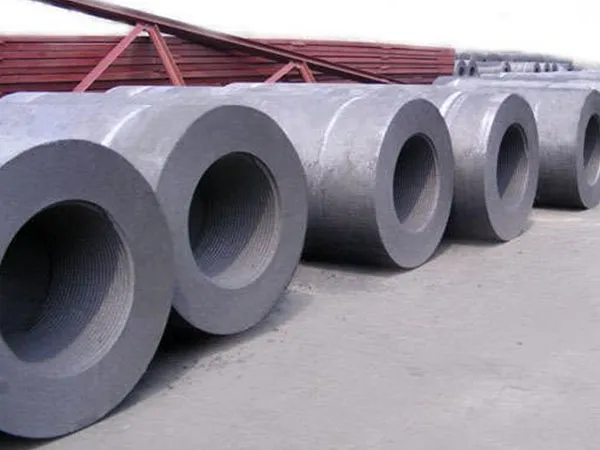
Before a new graphite crucible is used for the first time, proper conditioning significantly reduces the risk of contamination and thermal shock. Cangzhou Carbon recommends the following pre-use protocol.
Graphite crucibles absorb moisture from the air, especially in humid environments. If heated rapidly, this moisture turns to steam and can cause micro-cracks. Place the new crucible in an oven at 200°C (392°F) for at least 2 hours to drive off all moisture. Then slowly ramp the temperature to the operating range over 30–60 minutes. A controlled temperature rise ensures the crucible structure stabilizes without stress.
Some foundries apply a thin wash of boron nitride or alumina-based paint to the inner surface of the crucible before first use. This coating acts as a barrier, preventing direct contact between the molten metal and the graphite, thereby reducing both contamination and oxidation. Consult your crucible manufacturer for compatible coatings — Cangzhou Carbon can recommend industrial-grade options for your specific application.
Once the crucible is in service, consistent daily care is what separates a long-lasting tool from a short-lived expense. Follow these practices after every melt cycle.
Allow the crucible to cool to a safe handling temperature (not glowing red), but do not let it cool completely while containing slag. Use a stainless steel or brass scraper to remove hardened residues while the crucible is still warm (200–300°C). Avoid steel tools that can gouge the graphite surface. For stubborn deposits, a brief soak in warm water + mild detergent can help, but never use acids or strong alkalis that can corrode the graphite. Rinse thoroughly and dry immediately at low heat.
Rapid temperature changes are the leading cause of crucible cracking. Always preheat the crucible before charging with cold metal. Similarly, do not place a hot crucible on a cold surface or near drafts. Use a preheated furnace or induction coil to bring the crucible up to temperature gradually. Avoid quenching hot crucibles in water or liquid nitrogen for rapid cooling — this will almost certainly cause fracture.
After every 10–20 cycles, perform a visual inspection under good lighting. Look for hairline cracks, spalling flakes, or discoloration that indicates chemical attack. A non-destructive tap test (gently striking the crucible with a metal rod and listening for a clear ring vs. a dull thud) can reveal hidden damage. Replace any crucible showing signs of structural compromise to prevent catastrophic failure during a melt.
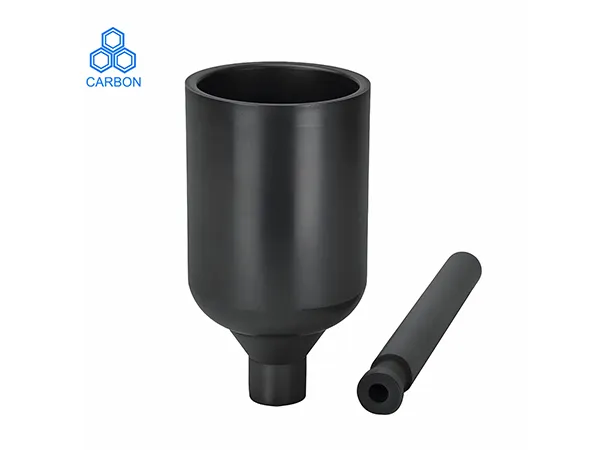
Proper storage between uses is often overlooked but equally important. Store graphite crucibles upright on a soft dry surface (wood or rubber mat) to avoid chipping the rim. Keep them in a dry, temperature-controlled area to minimize moisture absorption. If stacking multiple crucibles, use cardboard or foam separators to prevent scratches. Never store crucibles near volatile chemicals, acids, or in open dusty environments — airborne particles can embed in the porous graphite and later contaminate your melt.
While maintenance practices significantly extend crucible life, starting with a high-quality product is equally critical. Cangzhou Carbon has been manufacturing premium graphite crucibles for over 15 years, serving foundries, jewelry makers, and research laboratories worldwide. Our crucibles are made from ultra-pure, high-density isostatic graphite that resists contamination better than conventional extruded grades. We offer custom dimensions, multi-size ranges, and technical support to help you select the right specification for your process. With Cangzhou Carbon, you not only get a durable crucible but also expert guidance on care and best practices.
Regular maintenance is the most cost-effective way to maximize your graphite crucible investment. By understanding contamination sources, adopting pre-use conditioning, cleaning properly, avoiding thermal shock, and storing correctly, you can dramatically reduce downtime and ensure consistent metal quality. Follow these tips from the professionals at Cangzhou Carbon, and your crucibles will serve you reliably through hundreds of melts.

 Russian