E-Mail:kb@czgraphite.com
Tel:+86 15533739372


Graphite news is mainly for industry users to share graphite materials and products and other related technical information, so that customers can keep abreast of industry trends and developments.
Time: 2026-11-23 02:36:33 Source: Cangzhou Carbon Technology Co., Ltd.
Graphite crucibles are essential tools in high-temperature applications such as metal melting, chemical processing, and laboratory analysis. However, their high initial cost and frequent replacement needs often drive users to seek more sustainable and economical solutions. Recycling and reconditioning graphite crucibles not only reduce waste but also significantly lower operating expenses. Understanding the available options and their respective benefits is critical for making informed procurement decisions. This article provides a comprehensive analysis of graphite crucible recycling and reconditioning processes, with practical insights from industry leader Cangzhou Carbon.
Graphite crucibles naturally degrade over time due to thermal cycling, oxidation, chemical erosion, and mechanical stress. Typical indicators that a crucible needs recycling or reconditioning include visible cracks, pitting, deformation, or a reduction in thermal conductivity. Recognizing these signs early can prevent contamination of melts and avoid production downtime. The lifecycle varies by application, but most crucibles can be serviced multiple times before final disposal.
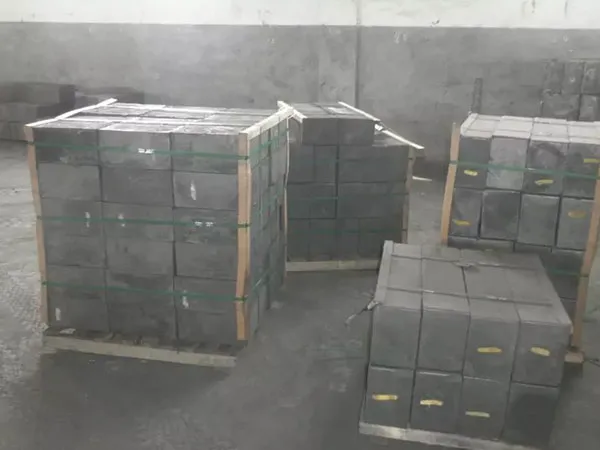
Recycling involves crushing spent crucibles, removing metal and slag contaminants, and processing the graphite powder for reuse. High-quality recycled graphite can be repurposed for manufacturing new crucibles, refractory bricks, or lubricant additives. Cangzhou Carbon employs advanced separation techniques to ensure recovered graphite purity exceeds 98%, meeting the standards for secondary applications.
Reconditioning focuses on repairing and restoring used crucibles to near-original condition. It is most effective when crucibles show minor damage but still have sufficient wall thickness and structural integrity.
The success of reconditioning depends on the crucible’s original quality and the skill of the service provider. Cangzhou Carbon offers a comprehensive reconditioning program with a performance guarantee, ensuring that reconditioned crucibles achieve at least 80% of the lifespan of new ones.
Choosing between recycling and reconditioning depends on the crucible’s condition, cost constraints, and usage requirements. The table below highlights key differences:
For most industrial users, a hybrid approach works best: recondition crucibles that are still serviceable and recycling them at end-of-life. Cangzhou Carbon can help evaluate your inventory and recommend the most cost-effective path.
With decades of experience in graphite processing, Cangzhou Carbon combines advanced recycling technologies with rigorous quality control. All recycled and reconditioned crucibles undergo density, thermal conductivity, and pressure testing to ensure they meet or exceed OEM specifications. The company also offers custom logistics and volume discounts for regular clients. By choosing Cangzhou Carbon, you gain a reliable partner who understands the balance between performance and economy.
Q: Can all types of graphite crucibles be recycled?
A: Most graphite crucibles with carbon content above 85% are recyclable. Those with heavy metal impregnation may need special handling.
Q: How many times can a crucible be reconditioned?
A: Typically 2–4 times, depending on initial quality and wear patterns. Each reconditioning cycle reduces wall thickness; eventually recycling becomes necessary.
Q: Is reconditioned crucible performance comparable to new?
A: Yes, when performed by experts like Cangzhou Carbon, reconditioned crucibles deliver reliable performance for many applications, though with a somewhat shorter total lifespan.
Graphite crucible recycling and reconditioning offer tangible benefits for both small laboratories and large foundries. By understanding the differences and working with a trusted supplier such as Cangzhou Carbon, you can optimize your crucible lifecycle, reduce costs, and support sustainable practices. Contact our team today for a personalized assessment of your crucible inventory and to explore the best options for your operation.
