E-Mail:kb@czgraphite.com
Tel:+86 15533739372


Graphite news is mainly for industry users to share graphite materials and products and other related technical information, so that customers can keep abreast of industry trends and developments.
Time: 2026-11-16 02:36:17 Source: Cangzhou Carbon Technology Co., Ltd.
In dental laboratories, precision casting of metal alloys—such as cobalt-chromium, nickel-chromium, and precious metals—demands equipment that can withstand extreme temperatures while maintaining chemical inertness and thermal uniformity. Graphite crucibles have become an indispensable tool in this process, offering unmatched performance that directly influences the quality of dental prosthetics, crowns, bridges, and frameworks. This article explores the technical reasons why graphite crucibles are essential for dental lab casting, and how choosing a reliable supplier like Cangzhou Carbon can ensure consistent, defect-free results.
Dental casting involves melting metal alloys at temperatures ranging from 900°C to over 1400°C, depending on the material. During this process, the crucible must:
Traditional ceramic or clay-graphite crucibles often fall short in one or more of these areas, leading to contamination, cracking, or inconsistent melts. Graphite crucibles, particularly high-purity versions from Cangzhou Carbon, excel in all these criteria.
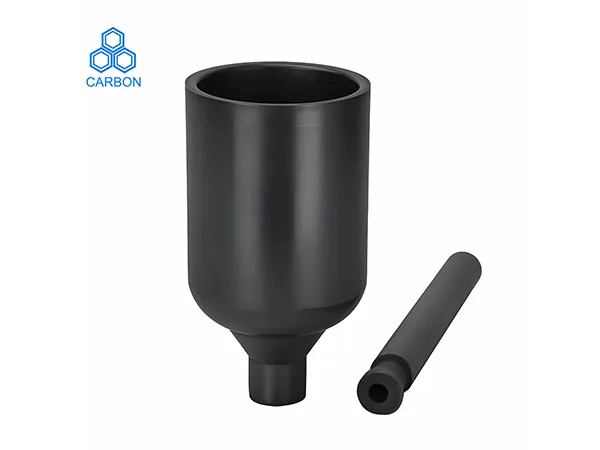
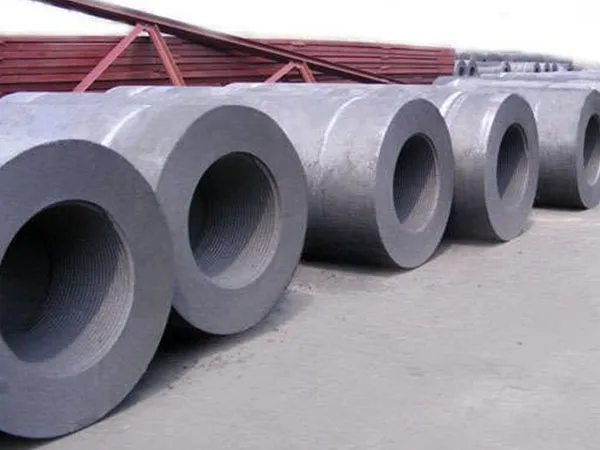 Graphite’s unique physical and chemical properties make it the preferred material for dental casting. Here are the key benefits:
Graphite has a thermal conductivity of 120–200 W/m·K, significantly higher than clay-bonded crucibles. This ensures rapid and even heat distribution throughout the crucible, reducing the risk of incomplete melting or alloy segregation. For dental labs that batch-cast multiple units, this translates to consistent mold filling and fewer rejections.
Dental casting often requires preheating the crucible to near-melting temperature and then quickly cooling after casting. Graphite’s low coefficient of thermal expansion (2–6 × 10⁻⁶ /°C) minimizes stress and prevents cracking, even after hundreds of cycles. This longevity reduces replacement frequency and downtime.
High-quality graphite crucibles, such as those manufactured by Cangzhou Carbon, are coated or purified to minimize oxidation and reaction with molten alloys. Graphite is inherently non-wetting to most dental metals, meaning the slag and oxides float on the surface rather than adhering to the crucible walls. This prevents metal contamination and extends crucible life.
While graphite crucibles may have a higher upfront cost than some alternatives, their durability and performance yield a lower cost per casting. A well-maintained graphite crucible from a trusted supplier can last for 200–400 casting cycles, compared to 50–100 cycles for cheaper clay-bonded options.
To fully appreciate why graphite is essential, it helps to compare it with common alternatives used in dental labs:
| Property | High-Purity Graphite | Clay-Graphite | Ceramic (Alumina) |
|---|---|---|---|
| Thermal Conductivity | Excellent | Good | Poor |
| Thermal Shock Resistance | Excellent | Good | Moderate |
| Chemical Inertness | High | Moderate | High (but brittle) |
| Lifecycle Cost | Low per use | Medium | High (frequent breakage) |
As shown, graphite crucibles offer the best balance of performance and economy. For dental labs that value precision and uptime, graphite is not just an option—it is the standard.
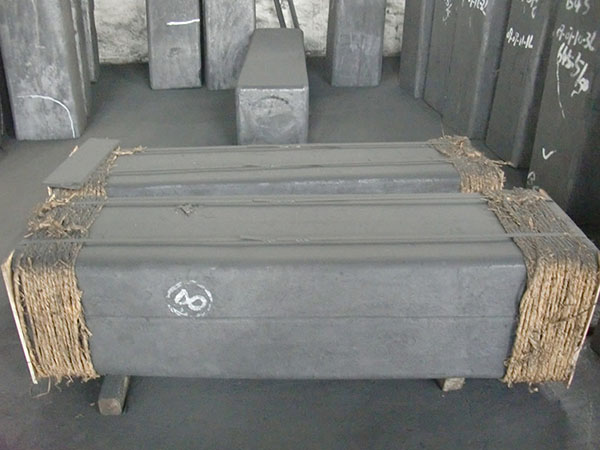 Not all graphite crucibles are created equal. Factors such as raw material quality, grain size, binder composition, and coating technology significantly affect performance. Cangzhou Carbon has over a decade of experience producing crucibles specifically for dental and precision casting. Their products feature:
When you choose a reputable supplier, you invest in consistent casting quality and fewer failed restorations.
Even the best crucible requires proper handling. Follow these guidelines to get the most from your graphite crucible:
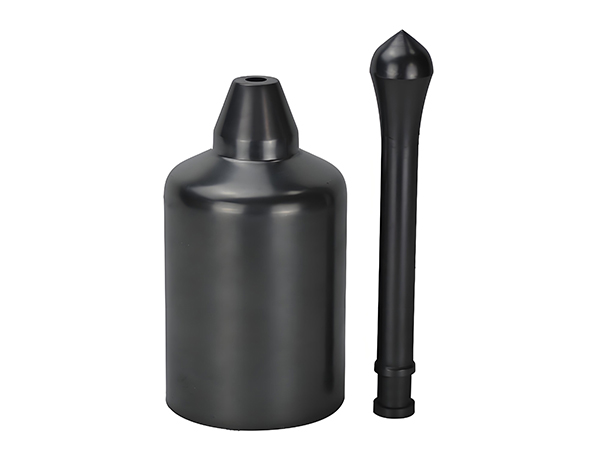
Graphite crucibles are not merely a consumable in dental lab casting—they are a critical tool that determines the success of every metal restoration. Their ability to handle extreme heat, resist chemical attack, and provide uniform heat distribution makes them essential for producing high-quality dental prosthetics. By partnering with an experienced manufacturer like Cangzhou Carbon, dental labs can ensure that their crucibles meet the stringent demands of modern dentistry, ultimately improving patient outcomes and laboratory efficiency.

 Russian