E-Mail:kb@czgraphite.com
Tel:+86 15533739372


Graphite news is mainly for industry users to share graphite materials and products and other related technical information, so that customers can keep abreast of industry trends and developments.
Time: 2026-01-28 03:16:14 Source: Cangzhou Carbon Technology Co., Ltd.
Graphite sintering trays are essential tools in high-temperature manufacturing processes, particularly in industries such as powder metallurgy, advanced ceramics, and specialty metals. Their durability and performance directly influence product quality, production efficiency, and operational costs. Proper cleaning and maintenance are critical to maximize tray lifespan, prevent contamination, and ensure consistent results. In this guide, we provide a comprehensive overview of practical maintenance strategies and expert tips for keeping your graphite sintering trays in peak condition.
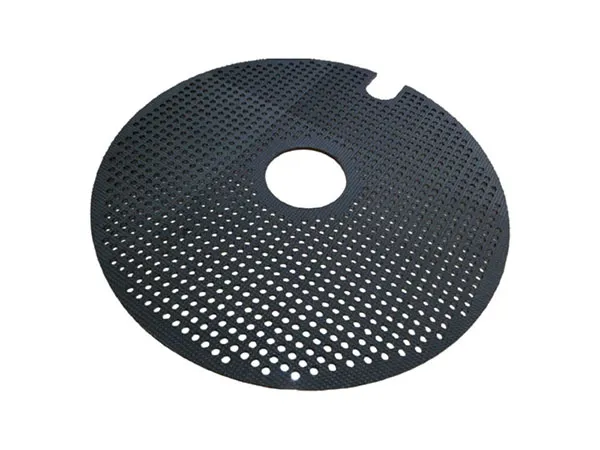
Graphite sintering trays endure extreme temperatures, rapid heating and cooling cycles, and constant exposure to reactive powders. Over time, this can lead to:
Wear and Oxidation: Surface erosion or discoloration reduces thermal efficiency.
Residue Buildup: Powder residues can contaminate sintered products, affecting quality and consistency.
Structural Damage: Cracks, chipping, or warping may compromise tray integrity.
Increased Costs: Frequent tray replacement interrupts production and increases operational expenses.
Investing time in proper tray maintenance ensures not only longer tray life but also stable product quality, efficient production, and reduced downtime.
Handling graphite trays requires caution due to their brittle nature and exposure to heat and dust. Follow these safety guidelines:
Protective Gear: Always wear heat-resistant gloves and safety goggles.
Cooling Time: Ensure the tray has completely cooled before touching. Handling hot trays can lead to burns or cracking due to thermal shock.
Ventilation: Work in a well-ventilated area to minimize inhalation of fine graphite dust, which may irritate respiratory pathways.
Safety should always come before speed. A careful approach prevents accidents and protects your investment in high-value equipment.
Step 1: Remove Loose Debris
Use a soft brush, microfiber cloth, or compressed air to gently remove loose powders and surface debris. Avoid metal tools that may scratch or damage the graphite surface, which can accelerate wear and reduce thermal efficiency.
Step 2: Deep Cleaning
For stubborn residues:
Soak trays in a mild, graphite-compatible solvent.
Avoid aggressive acids, bases, or abrasive chemicals, which can corrode the tray or create micro-cracks.
For delicate or high-value trays, consider ultrasonic cleaning under professional supervision.
Step 3: Dry Thoroughly
After cleaning, let trays air-dry completely. Any residual moisture can cause thermal shock when trays are reheated, potentially leading to cracks or warping.
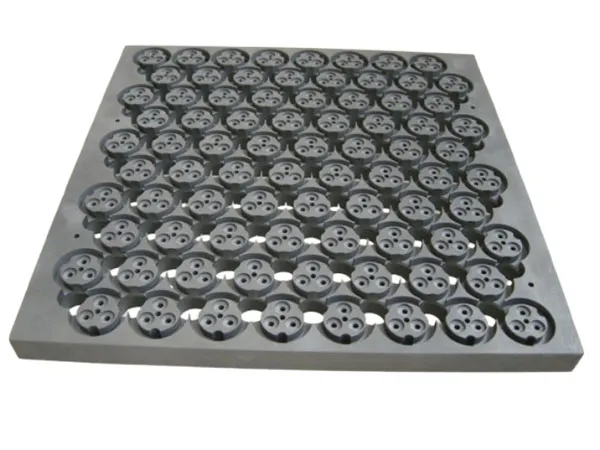
Proper handling and routine inspection are key to extending tray life:
Regular Inspections: Check for cracks, chips, and warping before each use.
Gradual Heating: Preheat trays slowly to avoid thermal stress. Rapid temperature changes increase the risk of cracking.
Careful Handling: Always lift trays by their edges and avoid dragging them across surfaces.
Proper Storage: Keep trays in a dry, temperature-controlled environment to prevent oxidation and moisture absorption.
Small, consistent efforts in care can prevent costly damage and maintain performance over the long term.
The way trays are used can significantly impact their lifespan:
Avoid Reactive Powders: Limit exposure to highly reactive or corrosive powders that accelerate oxidation.
Rotate Trays: Distribute wear evenly by rotating trays in your production schedule.
Follow Manufacturer Guidelines: Adhere to recommended heating and cooling rates to minimize thermal stress.
Correct usage complements cleaning and inspection, forming a complete maintenance strategy.
Even with careful maintenance, trays eventually reach the end of their service life. Replace a tray if you notice:
Deep cracks or structural damage
Significant surface erosion
Persistent contamination that cannot be cleaned
Continuing to use damaged trays can compromise product quality, increase contamination risk, and even damage your furnace or kiln.
Regular cleaning, careful handling, and proper usage of graphite sintering trays are essential to maximize production efficiency, reduce costs, and ensure consistent product quality. By implementing these best practices, you can extend tray life while maintaining optimal performance in your high-temperature manufacturing operations.
Investing a small amount of time in maintenance today can save significant costs, downtime, and quality issues tomorrow.

 Russian