E-Mail:kb@czgraphite.com
Tel:+86 15533739372


Graphite news is mainly for industry users to share graphite materials and products and other related technical information, so that customers can keep abreast of industry trends and developments.
Time: 2026-02-25 02:40:28 Source: Cangzhou Carbon Technology Co., Ltd.
Graphite continuous casting molds are among the most critical equipment in steel production. Their quality and maintenance standards directly impact billet surface quality, dimensional accuracy, production stability, and output. Proper, scientific maintenance methods not only extend mold service life but also reduce downtime, lower production costs, and enhance overall production efficiency. This document provides steel plant technicians with a step-by-step guide for maintaining graphite continuous casting molds, helping enterprises establish systematic maintenance procedures.
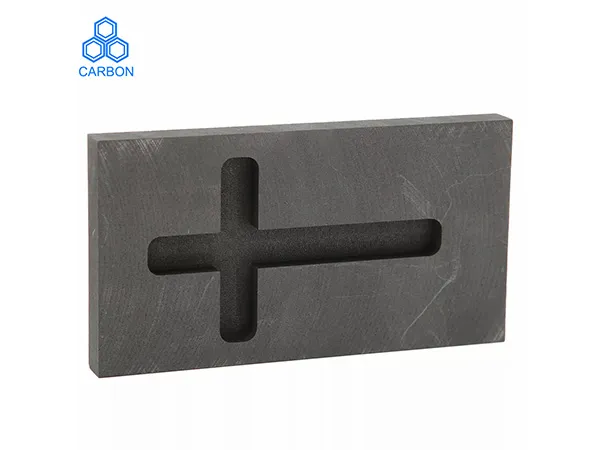
Graphite molds operate continuously under high temperatures, making them prone to accumulating slag, oxides, and micro-cracks. Daily cleaning and inspection form the foundation for ensuring stable mold operation.
Surface Residue Removal
Use a soft brush or high-pressure air blower to remove slag and oxides from the mold surface, avoiding scratches on the graphite surface.
Gently wipe the billet contact surface to ensure a smooth pouring surface.
Crack and Wear Inspection
Use a magnifying glass or specialized inspection tools to examine the mold surface for cracks, wear, pitting, and edge damage.
Document minor cracks to monitor their progression and determine repair timing.
Daily Cooling System Inspection
Ensure cooling water channels are unobstructed with normal water pressure and flow.
Check connection seals to prevent leaks that could cause localized overheating and graphite thermal cracking.
Tip: Maintaining a clean mold surface effectively reduces casting defects and improves product yield.
Beyond routine cleaning, graphite molds require periodic deep maintenance, typically monthly or after completing a set production tonnage.
Surface Grinding and Defect Repair
Use specialized graphite grinding tools to remove surface oxidation layers and lightly worn areas, restoring casting flatness.
Professionally repair deep cracks or notches, or replace graphite liners to ensure mold precision.
Cooling Channel Maintenance
Clear deposits and oxides from cooling water channels to ensure uniform water distribution.
Inspect cooling pipes and connections to prevent leaks causing localized overheating, thereby extending mold life.
Mold Temperature Monitoring
Install temperature sensors or infrared thermometers for real-time mold temperature monitoring.
Record temperature variations and operational data to support predictive maintenance.
Scientific operation is key to extending graphite mold lifespan, as improper handling is often the primary cause of damage.
Prevent thermal shock: Avoid direct contact with cold water or rapid cooling while the mold is hot to prevent thermal cracking.
Control Molten Steel Flow Rate: Maintain uniform flow velocity during pouring to minimize impact and localized wear.
Periodically Replace Wear Parts: Regularly replace liners, insulation layers, and sealing materials to ensure overall mold performance.
Mold Storage: Store molds in a dry, well-ventilated area when not in production to prevent moisture or dust from corroding the graphite surface.
Friendly Reminder: Combining operational standards with a maintenance plan significantly reduces mold failure rates and ensures production continuity.
Modern steel mills can enhance mold maintenance efficiency through data-driven management, enabling intelligent operations.
Mold Lifespan Statistics and Analysis
Record each maintenance session, production tonnage, pouring frequency, and mold wear status.
Analyze wear patterns to provide data support for production process adjustments.
Predictive Maintenance
Schedule mold maintenance or replacement proactively based on temperature, casting volume, cooling efficiency, and wear data.
Minimize unexpected shutdowns and production interruptions to enhance operational continuity.
Process Optimization
Adjust pouring speed, cooling water flow, and molten steel temperature according to mold wear patterns.
Extend mold lifespan and improve billet surface quality by optimizing process parameters.
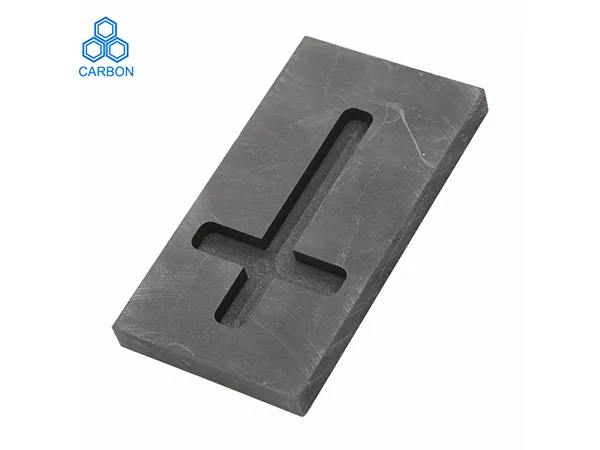
Graphite molds operate under high-temperature, high-pressure conditions; maintenance requires strict safety protocols:
Wear heat-resistant gloves, safety goggles, and protective clothing to prevent burns from molten steel or debris.
Dispose of graphite slag according to environmental regulations to prevent pollution.
Conduct regular training for operators and maintenance personnel to enhance safety awareness and operational compliance.
Maintenance of graphite continuous casting molds is a systematic process encompassing five key elements: daily cleaning, periodic deep maintenance, standardized operations, data-driven management, and safety/environmental measures. Through scientific management, steel mills can significantly extend mold lifespan, reduce production costs, ensure high-quality billet output, and achieve stable, efficient production.
Enterprises can establish customized maintenance plans based on their production scale and mold specifications. Integrating modern intelligent monitoring technology enables full lifecycle management of graphite continuous casting molds, providing robust support for steel production.

 Russian