E-Mail:kb@czgraphite.com
Tel:+86 15533739372


Graphite news is mainly for industry users to share graphite materials and products and other related technical information, so that customers can keep abreast of industry trends and developments.
Time: 2025-12-11 07:25:48 Source: Cangzhou Carbon Technology Co., Ltd.
In precision metal casting, graphite molds play a crucial role in determining the surface finish, dimensional accuracy, and overall quality of the final product. Graphite offers excellent thermal conductivity and machinability, but its naturally porous structure and softness can lead to several challenges during casting:
Surface defects such as roughness, micro-cracks, or unwanted texture
Mold wear and erosion over repeated casting cycles
Oxidation or chemical reactions with molten metal
To overcome these issues, manufacturers rely on advanced surface treatment techniques. These methods not only enhance mold durability but also help produce smoother, higher-quality castings with reduced post-processing requirements.
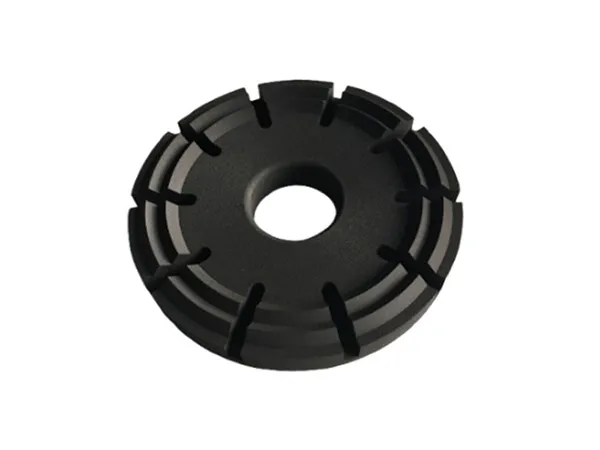
Polishing is one of the most common and effective ways to refine the surface of graphite molds. Through mechanical smoothing, polishing significantly reduces surface roughness and minimizes micro-porosity.
Benefits of Polishing
Creates a uniform, low-roughness surface
Reduces defects such as lines or marks on cast metal
Allows easier release of the finished casting
Considerations
Excessive polishing may thin the mold surface and shorten lifespan
Polished molds used at high temperatures often need an additional protective coating
Polishing is a cost-effective first step for improving mold performance, especially when combined with other treatments.
Applying protective coatings is one of the most impactful techniques for improving graphite mold reliability. Coatings create a barrier that protects the mold from oxidation and chemical attack while reducing the adhesion of molten metal.
Key Benefits of Mold Coatings
Prevents oxidation and extends service life
Improves mold release and reduces sticking
Enables more consistent heat transfer
Common Coating Materials
Boron nitride (BN): Excellent non-stick properties
Silicon carbide (SiC): Exceptional high-temperature resistance
Graphite-based slurries: Improve smoothness and reduce porosity
Impact on Casting Quality
Molds treated with coatings generally produce castings with smoother surfaces, fewer defects, and higher precision—ideal for industries requiring high cosmetic quality or tight tolerances.
Silicon infiltration (SiC or silicon-based impregnation) is an advanced technique in which silicon penetrates the graphite matrix to enhance density and mechanical strength.
Benefits of Silicon Infiltration
Greatly increases wear and erosion resistance
Reduces porosity and improves structural uniformity
Minimizes thermal expansion issues during casting
Best-Fit Applications
High-precision aluminum or copper alloy casting
High-volume production where mold longevity is critical
Situations requiring consistent surface quality across long cycles
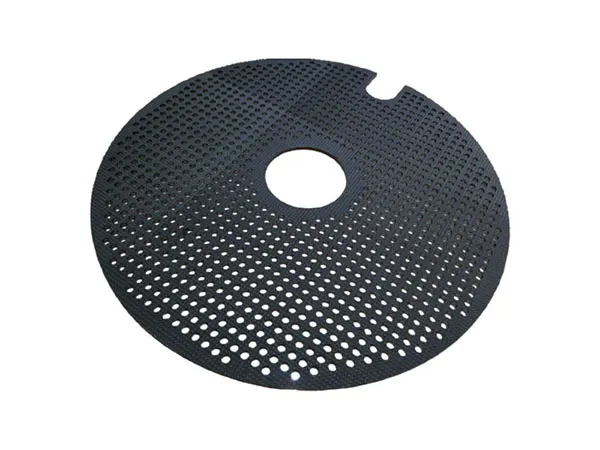
For most manufacturers, using a combination of surface treatments provides the best balance between performance, durability, and cost. A typical multi-step process may include:
Polishing to eliminate surface irregularities
Coating to provide oxidation resistance and smoother release
Silicon infiltration in high-stress regions to enhance hardness and reduce wear
This integrated approach ensures stable casting quality, reduces maintenance downtime, and maximizes mold lifespan.
Polishing improves surface smoothness but doesn’t fully protect against chemical wear.
Coatings provide strong oxidation resistance and better mold-release behavior, greatly improving casting consistency.
Silicon infiltration strengthens the mold internally and reduces porosity, ideal for demanding casting environments.
Combining treatments delivers the most robust performance for both mold longevity and casting quality.
By selecting the right surface treatment strategy, manufacturers can significantly enhance casting performance, reduce product defects, extend mold service life, and achieve lower overall production costs.

 Russian