E-Mail:kb@czgraphite.com
Tel:+86 15533739372


Graphite news is mainly for industry users to share graphite materials and products and other related technical information, so that customers can keep abreast of industry trends and developments.
Time: 2026-04-20 08:26:15 Source: Cangzhou Carbon Technology Co., Ltd.
Graphite crucibles play an essential role in induction furnace operations, providing a reliable container for melting metals such as aluminum, copper, and precious alloys. Despite their high thermal conductivity and chemical resistance, crucibles are prone to cracking, which can disrupt production, increase costs, and compromise safety. Understanding the causes of graphite crucible cracks and implementing effective troubleshooting methods is critical for foundries and metal processing plants aiming to optimize furnace performance and extend crucible life.
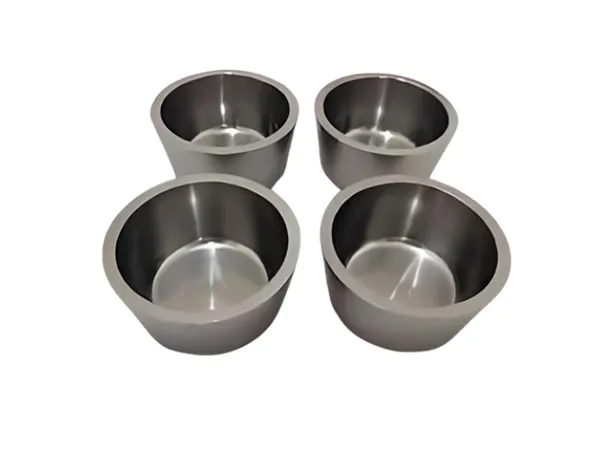
Cracks in graphite crucibles usually result from a combination of thermal, mechanical, and operational factors. Recognizing these causes is the first step toward effective troubleshooting. Key factors include:
Thermal Shock
Graphite crucibles expand and contract as they are heated and cooled. Rapid temperature changes, such as pouring molten metal into a cold crucible or cooling a hot crucible too quickly, create thermal stress. Over time, repeated thermal shock leads to cracks, which may start as hairline fractures but can grow into severe structural damage.
Improper Preheating
Preheating is essential to reduce thermal shock. Failing to preheat a crucible properly, or using uneven heating techniques, can create temperature gradients that stress the material. Uneven heating often causes cracks at the bottom or sides of the crucible, where the metal is in direct contact with the graphite.
Mechanical Stress
Handling crucibles incorrectly, such as dropping, dragging, or applying uneven pressure during installation, can cause micro-cracks. Even small mechanical impacts can become critical weak points under repeated thermal cycles, eventually leading to complete failure.
Metal Contamination
Graphite reacts with certain molten metals and fluxes. For example, impurities in aluminum alloys or exposure to oxidizing agents can erode the crucible surface, weakening its structure and promoting crack formation. Regular inspection and using clean, compatible metals are essential preventive measures.
Exceeding Design Limits
Every graphite crucible is rated for a specific temperature range and metal type. Overloading a crucible with metal beyond its recommended capacity or operating it at higher-than-specified temperatures accelerates wear and may trigger cracking.
Effective Troubleshooting Techniques
Once a graphite crucible develops cracks, immediate action is necessary to prevent further damage and ensure safe furnace operation. The following troubleshooting strategies are commonly recommended:
Visual Inspection and Maintenance
Regular inspection of crucibles before and after each melting cycle allows early detection of cracks. Look for hairline fractures, chipping, or discoloration, especially along the crucible walls and bottom. Replacing crucibles at the first sign of serious cracking is safer than attempting to extend their life artificially.
Controlled Preheating Procedures
Implementing a stepwise preheating routine minimizes thermal shock. Gradually increase the crucible temperature in stages, using a controlled heating source. Modern induction furnaces often include programmable preheating sequences that maintain uniform temperature distribution.
Use of Protective Linings
In some cases, lining the crucible with a refractory coating or ceramic insert can reduce direct thermal stress and extend service life. These linings act as a buffer between molten metal and graphite, preventing rapid temperature swings and metal infiltration.
Proper Handling and Installation
Establish clear protocols for moving and installing crucibles. Use mechanical lifting devices where possible, avoid sudden impacts, and ensure the crucible sits level in the furnace to prevent uneven stress. Training staff on correct procedures significantly reduces mechanical-induced cracks.
Metal and Flux Compatibility
Ensure that the molten metal and fluxes used are compatible with graphite. Avoid contaminants that accelerate crucible wear. For critical alloys, selecting high-purity graphite crucibles or crucibles with additives designed for chemical resistance may be necessary.
Temperature Monitoring
Use infrared thermometers or thermocouples to continuously monitor the crucible temperature. Avoid exceeding recommended operating limits. Maintaining a consistent temperature not only reduces cracking but also improves metal quality and energy efficiency.
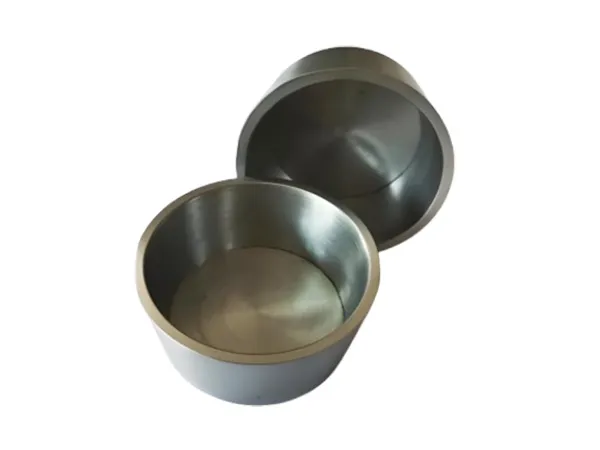
While troubleshooting is important, preventing cracks is even more crucial. Best practices include:
Regular Replacement Schedule: Even high-quality graphite crucibles have a finite lifespan. Replace crucibles proactively based on operational hours and thermal cycles.
Gradual Cooling: Allow crucibles to cool slowly after use. Sudden quenching with water or ambient air can introduce thermal stress.
Clean Furnace Environment: Prevent metal splashes, slag accumulation, and oxidation that can erode crucible surfaces.
Documentation and Training: Keep detailed records of crucible use, preheating schedules, and maintenance. Ensure operators understand the causes and consequences of cracking.
Cracks in graphite crucibles pose serious risks to induction furnace operations, including production downtime, safety hazards, and increased costs. By understanding the underlying causes, implementing precise troubleshooting methods, and following preventive practices, metal foundries can significantly extend crucible lifespan and maintain optimal furnace performance. From controlled preheating to proper handling and temperature monitoring, each step contributes to reducing thermal and mechanical stress. Investing in these strategies not only safeguards equipment but also enhances overall productivity and operational safety.
For companies seeking to optimize their induction furnace processes, maintaining the integrity of graphite crucibles is essential. Proper care, timely intervention, and adherence to best practices ensure that the crucible performs reliably throughout its operational life, providing consistent, high-quality metal melting results.

 Russian