E-Mail:kb@czgraphite.com
Tel:+86 15533739372


Graphite news is mainly for industry users to share graphite materials and products and other related technical information, so that customers can keep abreast of industry trends and developments.
Time: 2026-04-14 02:35:23 Source: Cangzhou Carbon Technology Co., Ltd.
As the electric vehicle (EV) market accelerates globally, the materials used in lithium-ion batteries have come under increasing scrutiny. One of the most debated topics in battery chemistry is the choice between synthetic and natural graphite for the anode material. Each type of graphite offers distinct advantages and limitations that directly affect battery performance, safety, and cost. Understanding these differences is critical for EV manufacturers, battery suppliers, and even end-users who want to evaluate battery efficiency and sustainability.
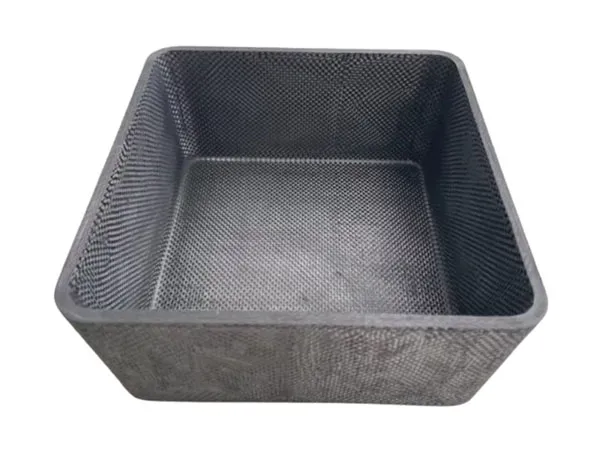
Graphite serves as the primary material for the anode in lithium-ion batteries. During charging, lithium ions move from the cathode to the anode, where they intercalate between graphite layers. The structure, purity, and morphology of graphite therefore have a direct impact on critical battery characteristics, including energy density, cycle life, charging speed, and thermal stability.
Graphite can be broadly categorized into two types: natural graphite and synthetic graphite. Natural graphite is mined from deposits around the world and typically undergoes purification and shaping processes before use. Synthetic graphite, on the other hand, is artificially manufactured from carbon-rich precursors such as petroleum coke, resulting in highly controlled structural properties.
Energy Density and Capacity
Synthetic graphite often demonstrates superior uniformity and crystallinity compared to natural graphite. This structure allows for more consistent lithium-ion intercalation, leading to higher reversible capacity and better energy density. While high-quality natural graphite can reach similar capacities, its performance can be inconsistent due to impurities or irregular particle sizes.
Charging Rate and Fast Charging Compatibility
Fast charging is a critical requirement for modern EVs. Synthetic graphite’s uniform structure generally supports higher charge and discharge rates with lower risk of lithium plating, which can compromise safety and lifespan. Natural graphite may exhibit slower kinetics, particularly at low temperatures, which can limit charging speed and increase the risk of degradation over time.
Cycle Life and Stability
Battery longevity is crucial for both consumer satisfaction and sustainability. Synthetic graphite exhibits better structural stability over extended cycles, maintaining capacity retention over thousands of charge-discharge cycles. Natural graphite, due to its variable particle morphology, may suffer from uneven expansion and contraction during cycling, potentially causing faster capacity fade.
Cost and Supply Considerations
Natural graphite has the advantage of lower material cost and abundant availability, particularly in regions such as China, Brazil, and Mozambique. Synthetic graphite, by contrast, requires complex manufacturing processes that are energy-intensive and more expensive. However, ongoing advancements in production efficiency and economies of scale are gradually reducing the cost gap.
Environmental and Sustainability Impacts
Sustainability is increasingly influencing EV battery material selection. Synthetic graphite production consumes significant energy and may produce higher CO2 emissions per ton compared to mined natural graphite. Conversely, natural graphite mining can lead to environmental degradation if not managed responsibly. Lifecycle assessments suggest that the environmental trade-offs between the two materials must be carefully considered, especially for EV manufacturers aiming to meet green credentials.
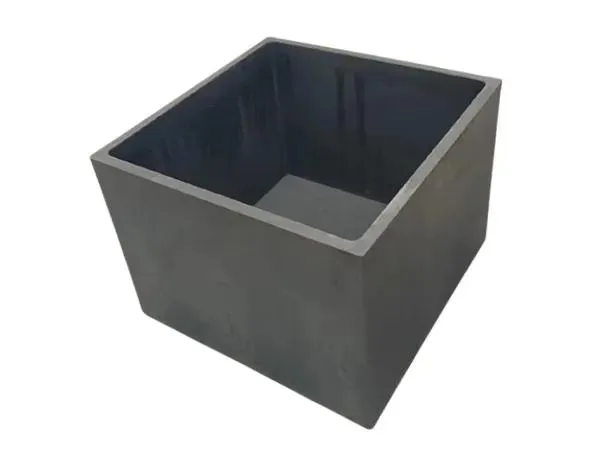
The EV battery industry is actively exploring hybrid solutions that combine the strengths of both synthetic and natural graphite. For instance, blending a small percentage of synthetic graphite with natural graphite can enhance performance while keeping costs manageable. Additionally, research into surface coatings, particle engineering, and binder optimization is helping both types of graphite achieve higher efficiency and longer lifespan.
Another emerging trend is the regional diversification of graphite supply chains. As EV adoption rises globally, reliance on a single source of natural graphite poses supply risks. Synthetic graphite, while costlier, offers greater predictability in quality and supply consistency, which is increasingly attractive to major automakers and battery manufacturers.
Choosing between synthetic and natural graphite depends on a variety of factors including performance requirements, cost constraints, production scale, and sustainability goals. For high-performance EV batteries with rapid charging needs and long cycle life, synthetic graphite is often preferred. For cost-sensitive applications where moderate energy density and lifespan are acceptable, natural graphite remains a viable option.
Automakers and battery developers are also encouraged to consider hybrid strategies, combining the advantages of both materials. This approach can optimize performance, reduce risk, and enhance overall competitiveness in a rapidly evolving market. Moreover, continual improvements in material engineering and production technology are narrowing the gap between synthetic and natural graphite, making both options increasingly capable of meeting future EV demands.
The debate over synthetic vs natural graphite: which is better for EV batteries is far from settled, as each material offers distinct advantages tailored to different priorities. Synthetic graphite excels in performance, fast charging, and cycle life, while natural graphite provides cost benefits and abundant supply. Emerging hybrid solutions and technological innovations are redefining the landscape, allowing battery manufacturers to achieve balanced performance and sustainability goals. Ultimately, informed material selection will be a key differentiator for EV makers aiming to deliver high-quality, long-lasting, and environmentally responsible vehicles in the years to come.

 Russian