E-Mail:kb@czgraphite.com
Tel:+86 15533739372

Graphite news is mainly for industry users to share graphite materials and products and other related technical information, so that customers can keep abreast of industry trends and developments.
Time: 2026-09-28 02:36:22 Source: Cangzhou Carbon Technology Co., Ltd.
Selecting the right crucible for high-temperature melting applications directly impacts operational costs, product quality, and equipment longevity. While both graphite and silicon carbide crucibles are widely used in foundries and laboratories, their cost-effectiveness differs significantly based on melting temperature, thermal cycling frequency, and the type of metals processed. This article provides an objective cost-effectiveness comparison between graphite crucibles and silicon carbide crucibles, drawing on industry data and practical field experience. We will also highlight how Cangzhou Carbon has engineered crucible solutions that optimize the balance between upfront investment and long-term savings.
Graphite crucibles naturally excel in thermal conductivity, typically ranging from 80 to 130 W/m·K, which allows rapid heat penetration and uniform temperature distribution. This characteristic reduces energy consumption and shortens melting cycles, especially for aluminum, copper alloys, and precious metals. In contrast, silicon carbide crucibles offer lower thermal conductivity (about 30–50 W/m·K) but provide superior thermal shock resistance. For applications requiring frequent heating and cooling, such as induction melting, the durability of silicon carbide can offset its slower heat-up time.
Standard graphite begins to oxidize in air above 400°C, though high-purity or coated grades can withstand up to 3000°C in inert atmospheres. Silicon carbide crucibles maintain structural integrity up to 1600°C in oxidizing environments, making them suitable for steel and iron melting where open flame or electric resistance furnaces create oxidizing conditions. However, graphite's ability to operate in vacuum or reducing atmospheres gives it a distinct advantage for specialized metallurgy.
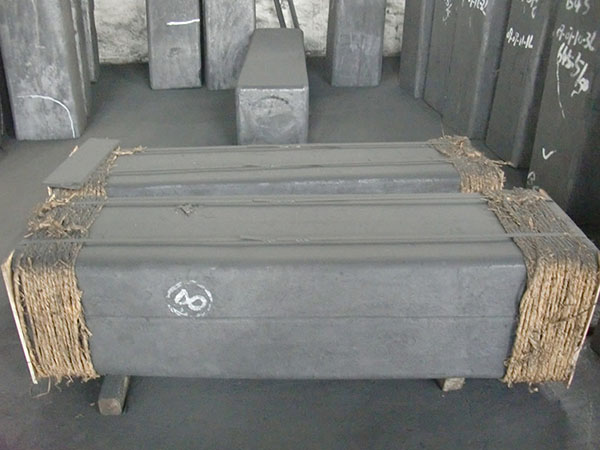
To truly compare cost-effectiveness, we must evaluate total cost of ownership (TCO), which includes purchase price, service life, maintenance, and energy impact. Below is a structured comparison based on typical industrial data:
Consider a mid-sized foundry melting 500 kg of brass per shift, 5 days a week. Using a graphite crucible (cost 40% less, replaced every 4 months) versus a silicon carbide crucible (replaced every 8 months) results in a net TCO difference of about 12% in favor of graphite, thanks to reduced energy consumption and lower replacement frequency of the graphite crucible when properly maintained. However, if the same foundry melts iron at 1500°C or uses a gas-fired furnace with high oxygen exposure, the silicon carbide crucible becomes the more cost-effective choice due to longer life and reduced oxidation failures.
Choosing between graphite and silicon carbide depends on the specific melting environment. Below are key decision factors:
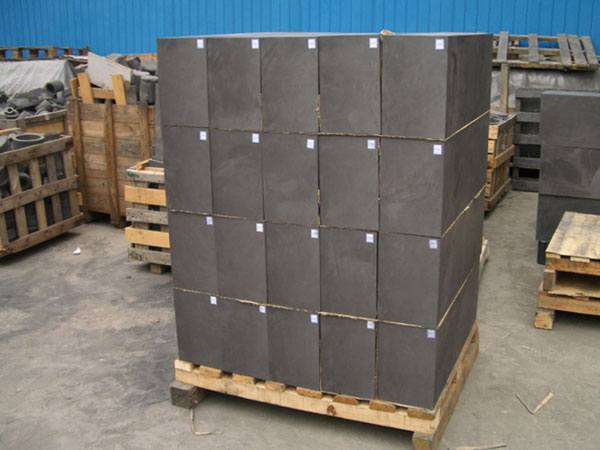
Whether graphite or silicon carbide, the actual cost-effectiveness is heavily influenced by the crucible’s manufacturing quality. Inferior products may suffer from internal voids, inconsistent density, or poor glazing that dramatically shortens life. Cangzhou Carbon employs advanced isostatic pressing technology for graphite crucibles, ensuring uniform density and reduced oxidation rates. Their silicon carbide crucibles feature a multilayer coating that enhances thermal shock resistance by 30% compared to industry standards. By choosing a reputable supplier, the effective TCO gap between the two materials can narrow significantly.
Q: Can graphite crucibles be used for melting steel?
Yes, but only in controlled atmospheres (e.g., vacuum or argon) to prevent oxidation. For open-air steel melting, silicon carbide is the safer, more economical choice.
Q: How do I know when to replace a crucible?
Look for visible cracks, spalling, or excessive slag adhesion. Regular weight measurement can help: a crucible that has lost more than 20% of its original weight due to oxidation should be replaced immediately.
Q: Does the brand of graphite or silicon carbide matter for cost-effectiveness?
Absolutely. Low-quality crucibles often fail prematurely. High-quality crucibles from Cangzhou Carbon come with detailed lifetime data and support, allowing you to calculate precise TCO for your operation.
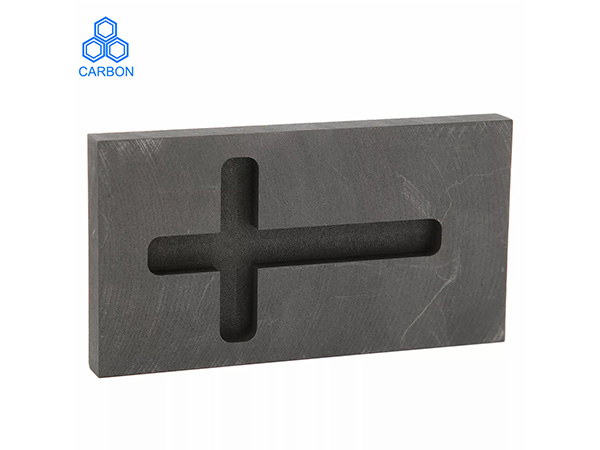
Neither graphite nor silicon carbide crucibles is universally superior. Graphite offers lower upfront cost and faster melting, making it highly cost-effective for non-ferrous alloys in controlled environments. Silicon carbide provides extended service life and better resistance to oxidation and thermal shock, delivering superior value for high-temperature, oxidizing, or heavily cycled applications. To determine the optimal choice for your specific needs, evaluate metal type, furnace conditions, and operational profile. Partnering with a reliable manufacturer like Cangzhou Carbon ensures you receive crucibles that maximize performance and minimize total cost. For a detailed cost calculation tailored to your foundry, contact our engineering team for a personalized comparison.
