E-Mail:kb@czgraphite.com
Tel:+86 15533739372


Graphite news is mainly for industry users to share graphite materials and products and other related technical information, so that customers can keep abreast of industry trends and developments.
Time: 2026-08-24 02:36:30 Source: Cangzhou Carbon Technology Co., Ltd.
Selecting the right crucible material is critical when melting brass and bronze. These copper-based alloys have specific melting points, thermal conductivity demands, and chemical reactivity that require crucibles capable of withstanding high temperatures without contamination. An ill-suited crucible can lead to alloy degradation, shortened service life, or even safety hazards. This guide examines the most common crucible materials used in non-ferrous foundries, comparing their performance, cost, and suitability for brass and bronze melting. Whether you operate a small art foundry or a large industrial casting facility, understanding these material properties will help you make an informed purchasing decision. Throughout this article, we reference expertise from Cangzhou Carbon, a reliable supplier of high-quality crucibles for the global foundry industry.
Brass (copper-zinc) and bronze (copper-tin, often with other elements) melt in the range of 900–1100°C (1650–2010°F). While this is lower than iron or steel casting, the crucible must still handle thermal shock from repeated heating and cooling cycles, resist oxidation, and avoid chemical reaction with the molten metal. Additionally, the crucible should not introduce impurities that would discolor the alloy or weaken its mechanical properties. The ideal crucible offers a balance of thermal conductivity, mechanical strength, thermal shock resistance, and chemical stability.
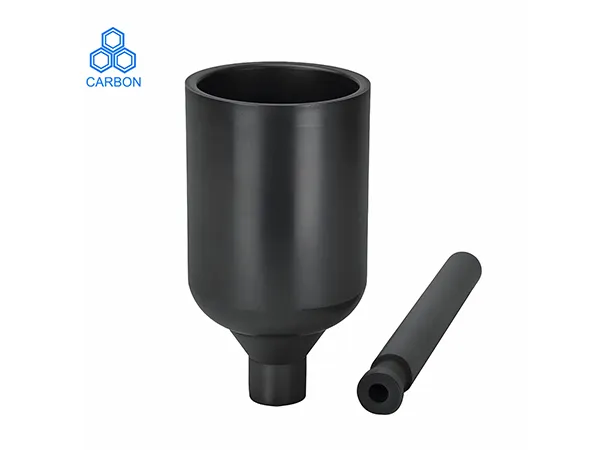
Clay-graphite crucibles have been the backbone of non-ferrous melting for decades. They consist of a mixture of natural graphite flakes and refractory clay (typically fireclay), pressed or slip-cast and fired to create a dense, heat-resistant body.
For most brass and bronze melting operations, clay-graphite crucibles provide an excellent balance of performance and price. Cangzhou Carbon supplies premium clay-graphite crucibles with controlled porosity and consistent quality tailored to copper alloy foundries.
Silicon carbide (SiC) crucibles are gaining popularity in non-ferrous melting due to their superior durability and thermal properties. They are typically made from silicon carbide grains bonded with clay or other ceramic binders, often with added graphite for lubricity.
Foundries that melt large volumes of brass or bronze daily, or those using induction furnaces where fast heating is essential, often prefer silicon carbide crucibles. Cangzhou Carbon offers a range of SiC crucibles with optimized bond systems to maximize longevity in copper alloy melting.
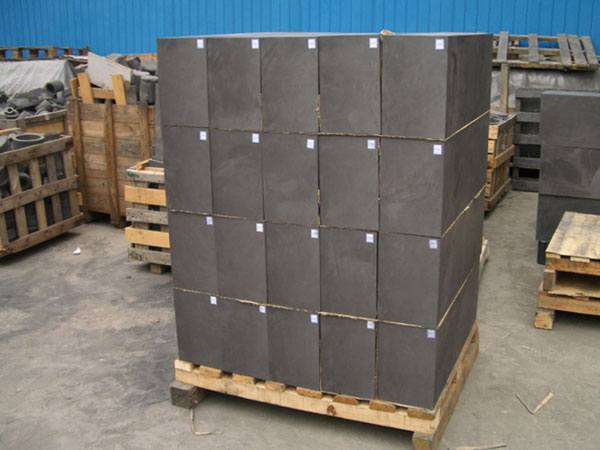
Fused silica crucibles are made from high-purity amorphous silica (quartz). They are primarily used when absolute cleanliness is required, such as for melting high-quality bronze for art castings or specialty alloys where any impurity would be unacceptable.
Fused silica crucibles are a niche choice for specialized applications. Most brass/bronze foundries will find clay-graphite or SiC crucibles more practical. Cangzhou Carbon can source fused silica crucibles upon request, but recommends them only for specific purity-driven scenarios.
To help decision-makers choose the right material, here is a direct comparison of the two dominant crucible types used in brass and bronze melting.
| Property | Clay-Graphite | Silicon Carbide |
|---|---|---|
| Thermal Conductivity | High | Very High |
| Thermal Shock Resistance | Excellent | Very Good |
| Mechanical Strength | Moderate | High |
| Oxidation Resistance (air) | Poor (graphite burns) | Good (SiC forms silica layer) |
| Typical Lifespan (heats) | 30–80 | 80–200 |
| Cost per Crucible | Low | Medium-High |
| Best For | Small foundries, occasional use, manual pouring | High‑volume, induction furnaces, automation |
Note: Lifespan depends heavily on furnace type, temperature control, and handling practices. Always consult with suppliers like Cangzhou Carbon to get recommendations based on your specific melting parameters.
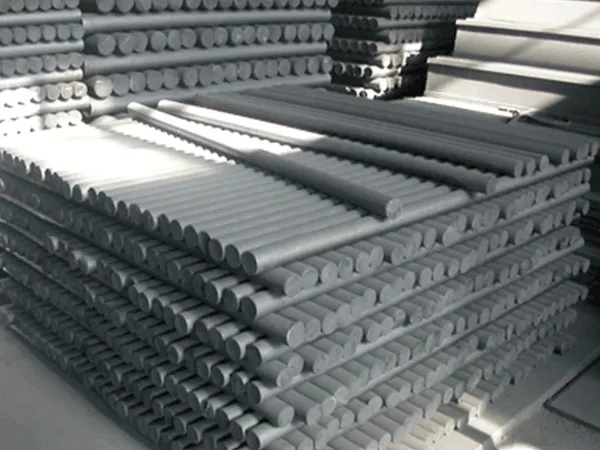
When selecting a crucible for brass or bronze melting, consider these factors:
Many foundries start with clay-graphite and upgrade to silicon carbide as they scale. Cangzhou Carbon supplies both materials and can help you implement a cost-effective crucible management program, including regular inspections and appropriate storage.
For melting brass and bronze, clay-graphite crucibles remain the most widely used and economical choice, especially for smaller operations and when thermal shock resistance is paramount. Silicon carbide crucibles offer superior durability, faster melting, and longer life for high-productivity foundries. Fused silica crucibles serve a niche for ultra-clean melts. By understanding the trade-offs in thermal conductivity, strength, oxidation resistance, and cost, you can select a crucible that maximizes both quality and profitability. For tailored advice and a full product range, contact Cangzhou Carbon to discuss your specific melting requirements.

 Russian